Bank of England interest rate hike to 4 per cent signals deepening economic headwinds for UK retail sector

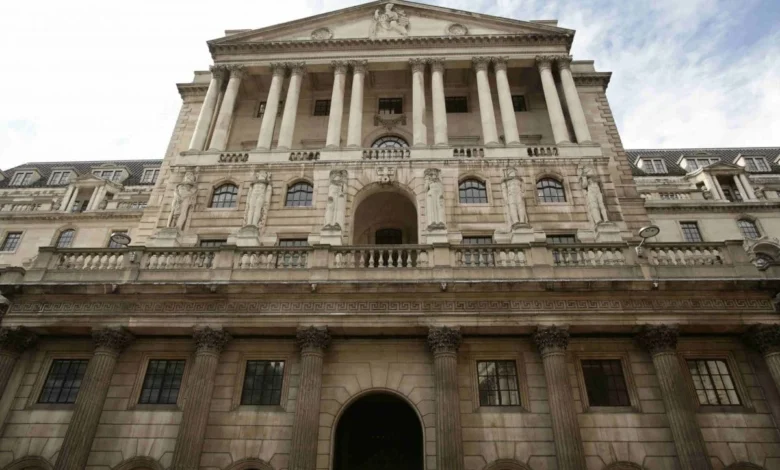
The Bank of England has raised the base interest rate to 4 per cent, marking its first significant increase in over three years and signaling a pivot toward more aggressive monetary tightening. The Monetary Policy Committee (MPC) reached this decision in an eight-to-one vote, opting for a 0.25 percentage point increase from the previous 3.75 per cent. This policy shift is a direct response to persistent inflationary pressures, exacerbated by volatile energy markets and the geopolitical instability currently unfolding in the Middle East. For the UK retail sector, this development serves as a sobering milestone, threatening to compound the existing difficulties of rising operational overheads and a rapidly deteriorating consumer spending environment.
The Macroeconomic Catalyst
The decision to tighten monetary policy arrives at a time of extreme sensitivity for the global economy. The MPC’s concerns are rooted in the dual threats of surging energy prices and the inflationary feedback loop they create. The ongoing conflict in the Middle East has introduced a high degree of volatility into global oil and gas markets, disrupting supply chains and inflating transportation costs. These costs are inevitably passed down the supply chain, forcing retailers to grapple with higher wholesale prices just as their own operational expenses, such as energy-intensive store management and logistics, climb.
This rate hike is not an isolated event but rather the culmination of months of inflationary warnings. As early as September, the Bank of England alerted the public that inflation could potentially reach the 5 per cent threshold. These projections were based on a "perfect storm" of economic factors: sustained high energy costs, diminished agricultural yields due to adverse weather patterns, and the broader, lingering effects of post-pandemic supply chain imbalances. Food inflation, in particular, remains a focal point for economists, who warn that the combination of these factors could lead to a sustained period of price volatility for essential household goods.
A Chronology of Economic Pressure
The road to this 4 per cent base rate has been characterized by a series of downward shifts in economic sentiment. Throughout the latter half of the year, the UK retail landscape has faced mounting structural challenges:
- August: The GfK Consumer Confidence Barometer provided the first early warning signs, recording a modest recovery in sentiment, yet underlying data suggested that inflation was beginning to erode purchasing power.
- September: The Bank of England issued formal warnings regarding the 5 per cent inflation ceiling, citing structural issues in the energy sector and global food production.
- October: The situation took a sharp turn for the worse. The GfK Consumer Confidence Barometer recorded its largest monthly decline since the onset of the Covid-19 pandemic, plummeting 11 points to reach -24. This marked a significant departure from the previous month’s reading of -13, signaling a rapid shift in public psychology.
- November/December: The MPC’s decision to hike rates reflects the urgency of the current climate, as they attempt to curb inflation before it becomes entrenched in the domestic economy.
Retailers Caught in a Pincer Movement
The implications of this interest rate increase for the retail sector are twofold, creating what industry analysts describe as a "pincer movement" on both the supply and demand sides of the business.
On the supply side, the cost of capital has risen abruptly. For many retailers, particularly those in the midst of transformation or expansion, this shift in the cost of borrowing is transformative. Debt-servicing costs for companies with variable-rate loans will climb immediately, forcing financial directors to reassess capital allocation. Projects that were viable at a 3.75 per cent interest rate—such as new store openings, major refurbishments, or investments in automation and supply chain technology—may now fail to meet the required hurdle rates for investment. This could lead to a stagnation in physical retail development as firms prioritize liquidity and debt reduction over innovation.
On the demand side, the impact is equally profound. The transmission mechanism of interest rate policy works primarily by cooling domestic demand. As mortgage rates and the costs of consumer credit rise, the amount of disposable income available to the average household for non-essential spending contracts. This is particularly damaging for discretionary retail categories. Fashion, luxury homeware, furniture, and consumer electronics are typically the first to suffer when household budgets are squeezed. Retailers in these sectors are already reporting a shift in consumer behavior, characterized by "trading down"—a trend where shoppers abandon premium brands for budget alternatives or delay major purchases entirely.
Market Analysis and Industry Reactions
While the Bank of England’s mandate is to maintain price stability, the retail industry has been quick to highlight the risks of this policy path. Retail advocacy groups have expressed concern that the interest rate hike, combined with rising business rates and high energy costs, creates a volatile environment that could trigger a wave of insolvencies among smaller, highly leveraged independent retailers.

"The rise in the base rate is a necessary tool for the Bank, but it comes at a steep cost to the high street," noted a senior retail consultant. "Retailers are effectively being hit by a triple whammy: they are paying more to heat and light their stores, they are paying more to transport their goods, and they are now facing a significantly higher cost of finance at the exact moment that their core customers are retreating from the market."
Financial analysts are closely watching the upcoming December 17 meeting of the MPC to see if the bank will signal a pause or if further hikes are on the horizon. The central bank faces a delicate balancing act: failing to raise rates enough could see inflation become structural, while raising them too aggressively could trigger a recessionary environment that would decimate the retail and hospitality sectors.
Broader Economic Implications
The broader implications of the current economic cycle extend beyond the retail sector into the foundational structure of the UK economy. A 4 per cent base rate is a return to a more "normal" interest rate environment after a decade of ultra-low rates, but the speed of the adjustment is what concerns policymakers. The housing market, which is intrinsically linked to retail spending, is expected to see a cooling effect as mortgage lenders recalibrate their products in line with the higher base rate.
Furthermore, the uncertainty surrounding energy supplies remains the "wild card." If the geopolitical situation in the Middle East stabilizes, the inflationary pressure on energy might ease, allowing the Bank of England to adopt a more dovish stance in the new year. However, if energy prices remain elevated, the current trajectory suggests that the cost of living crisis will persist well into the next calendar year.
For the retail industry, the path forward requires a renewed focus on efficiency and value. Retailers are increasingly turning toward data-driven inventory management to reduce waste and optimize pricing strategies. The ability to pivot toward essential categories and provide clear value propositions will be the defining factor for success in a period of high-interest rates and restricted consumer liquidity.
Preparing for the Next Phase
As the sector looks toward the next MPC meeting on December 17, the mood is one of cautious preparation. Retail executives are stress-testing their balance sheets against further rate increases and reviewing their 2026-2027 fiscal projections. While the retail sector has historically shown resilience in the face of economic cycles, the current confluence of high inflation, rising energy costs, and increased borrowing expenses presents a challenge of unprecedented scale.
The data provided by the GfK Barometer suggests that the consumer is currently in a defensive posture, prioritizing savings and debt repayment over discretionary expenditure. Retailers who can adapt their offerings to match this new, more frugal consumer mindset are likely to survive the current cycle. Conversely, those heavily dependent on high-margin discretionary spending may face a difficult winter.
Ultimately, the Bank of England’s move to 4 per cent is a signal of a new economic era. The era of cheap money has effectively concluded, and the retail industry must now operate in an environment where the cost of borrowing is a primary factor in every strategic decision. The coming months will be a test of endurance for the high street, with the success of the sector’s transition depending on its ability to navigate the twin pressures of inflation and the rising cost of capital.